Imagine you are tasked with creating a campaign for a Vermeer exhibit at the National Gallery.
Many start thinking what the poster should look like.
But you need to be starting with: "Who are we trying to reach," "Why would someone spend their Saturday at the museum instead of doing something else," What emotion do we want them to feel," What is stopping them from buying a ticket," "How is centuries old artwork relevant today?"
Only after answering those questions can the campaign begin.
With that knowledge maybe the exhibit joins with other artists that find inspiration from Vermeer, social posts from Vermeer as if he was alive today, reels from artists sharing their love of Vermeer, and finding other touch-points to reach more individuals.
Direction is part of creativity and advertising.
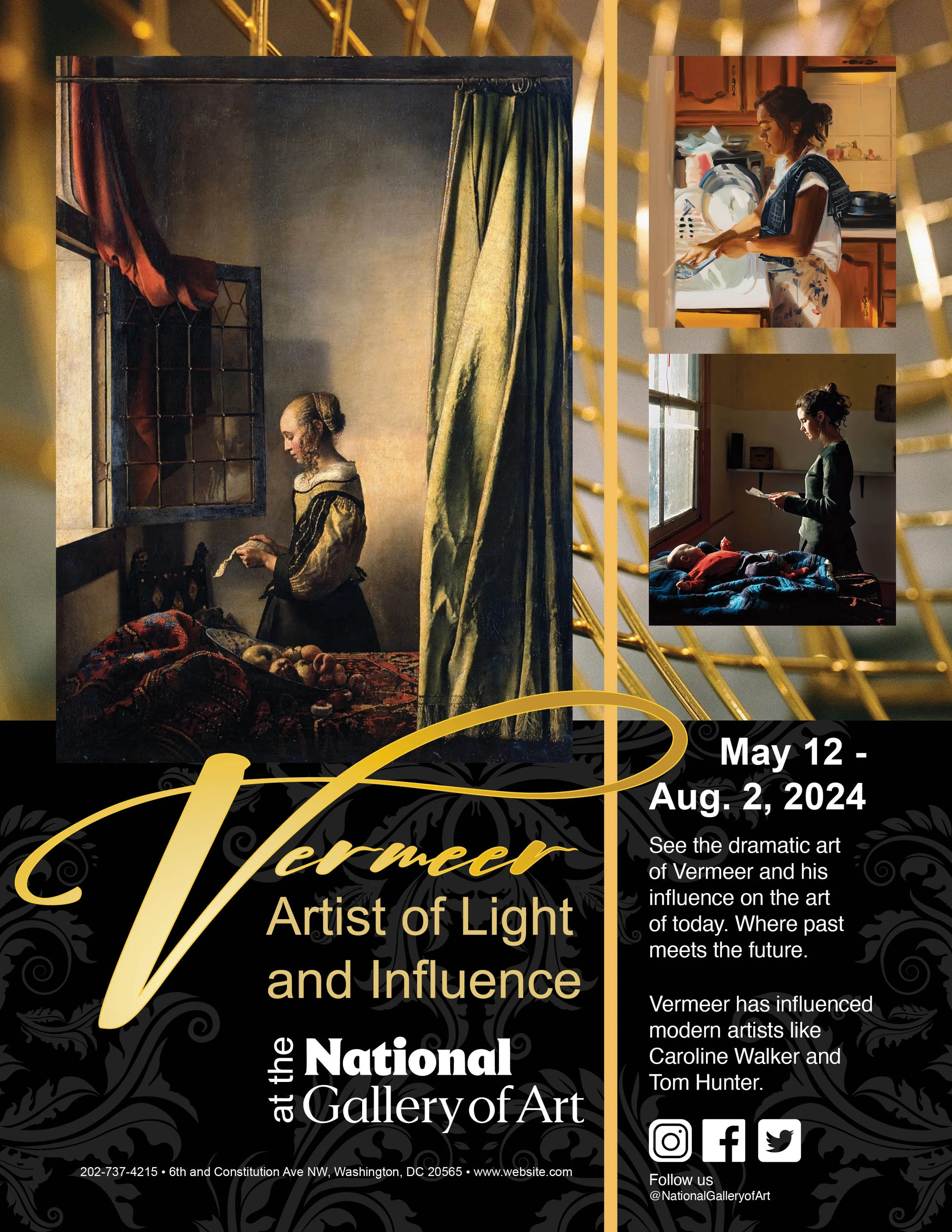
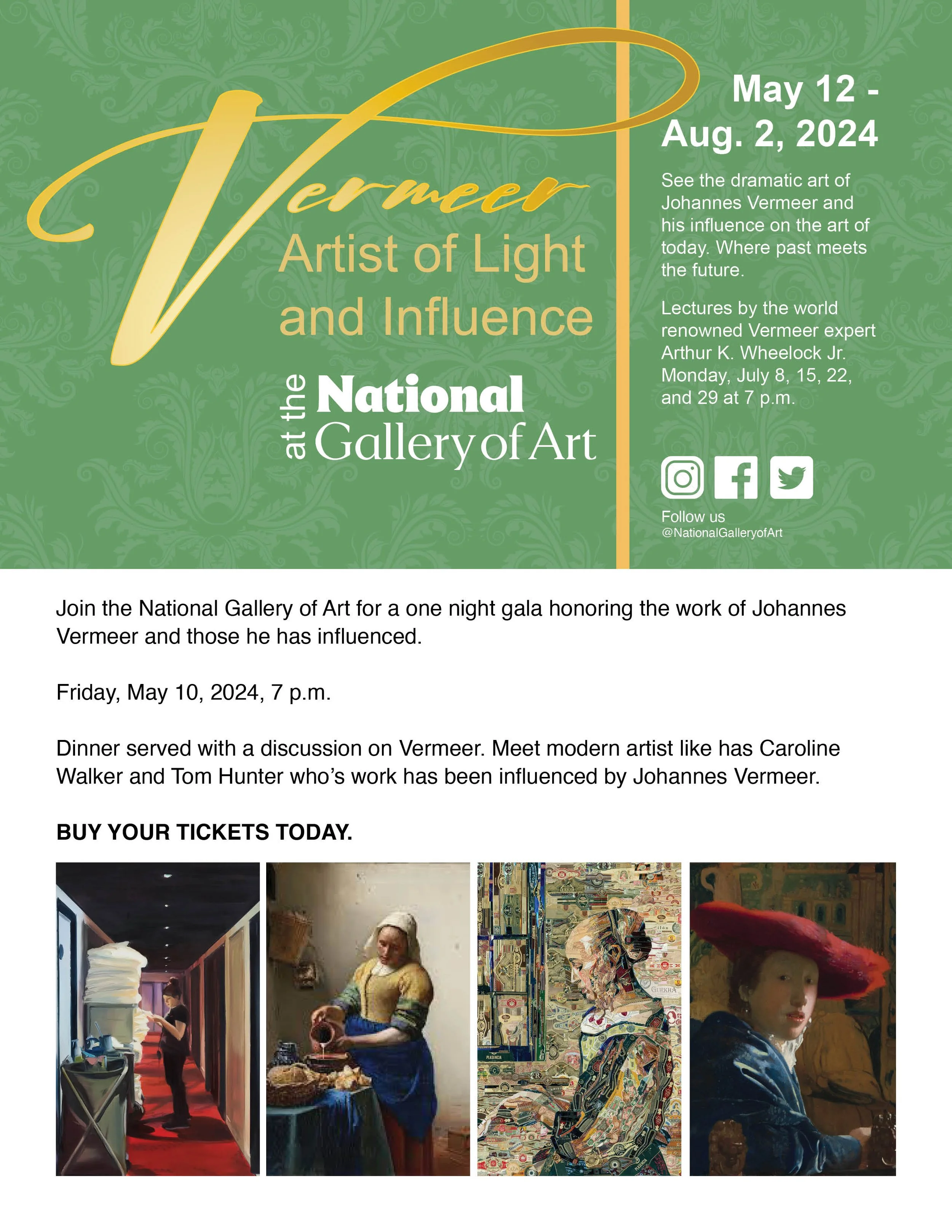
Adding contemporary artists to the piece was a good plan ... why would you want to bring others into a campaign?
Influencers are a big part of social and advertising campaigns. It also might seem like a tactic, but it is actually solving several challenges in one move.
The conversation shifts from promoting the exhibit to educating people about Vermeer's influence and why his work still matters today. The exhibit also becomes richer. They are not just viewing the old master, but now seeing the bigger impact and influence through the work of others.
The campaign isn't stronger because more people are posting about it. It is stronger because every partnership adds value to the experience.
Sometimes the best ideas are not about reaching more poeple but giving them more reasons to care.
This is one reason I enjoy strategy and campaign.
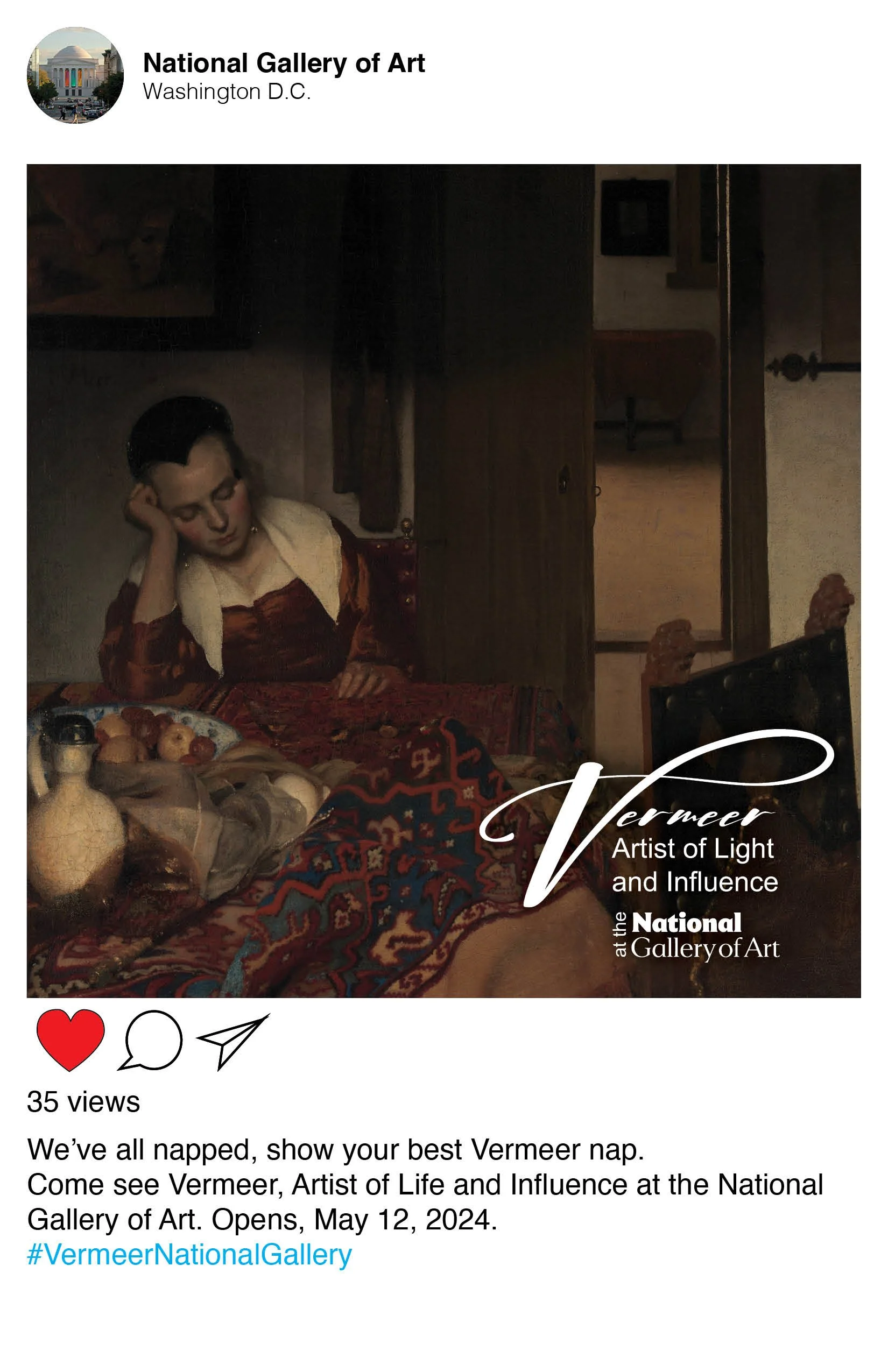
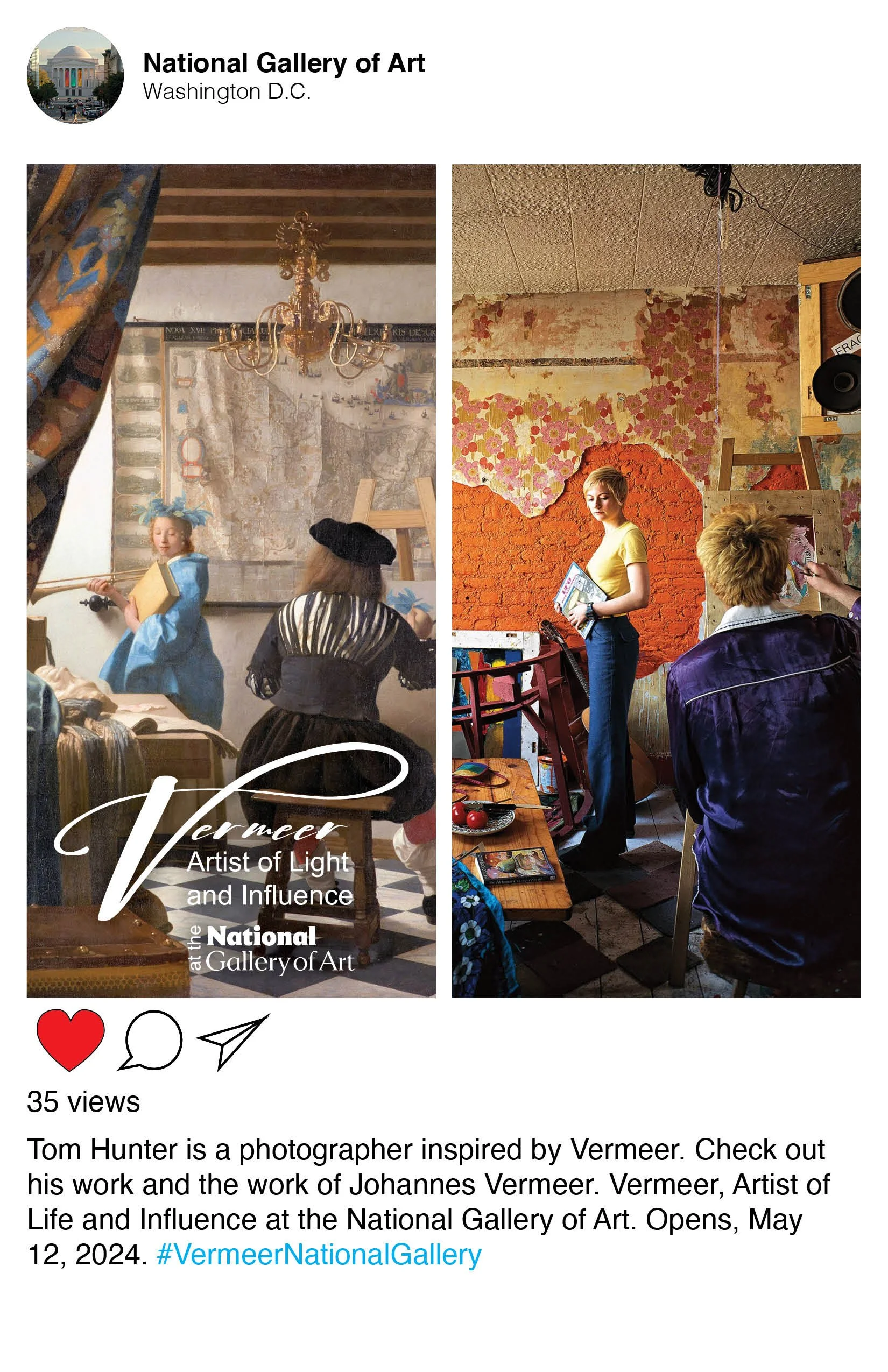
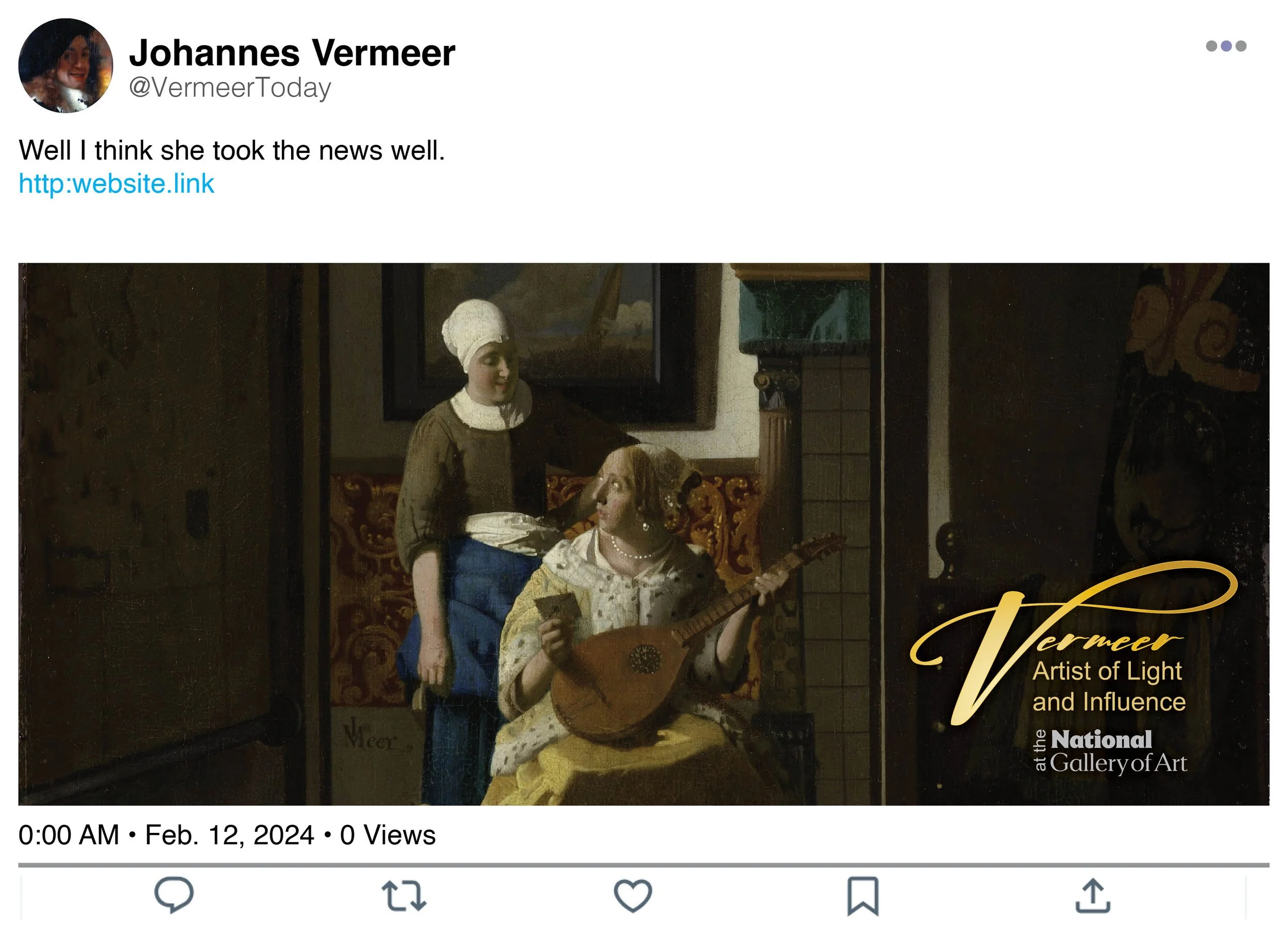
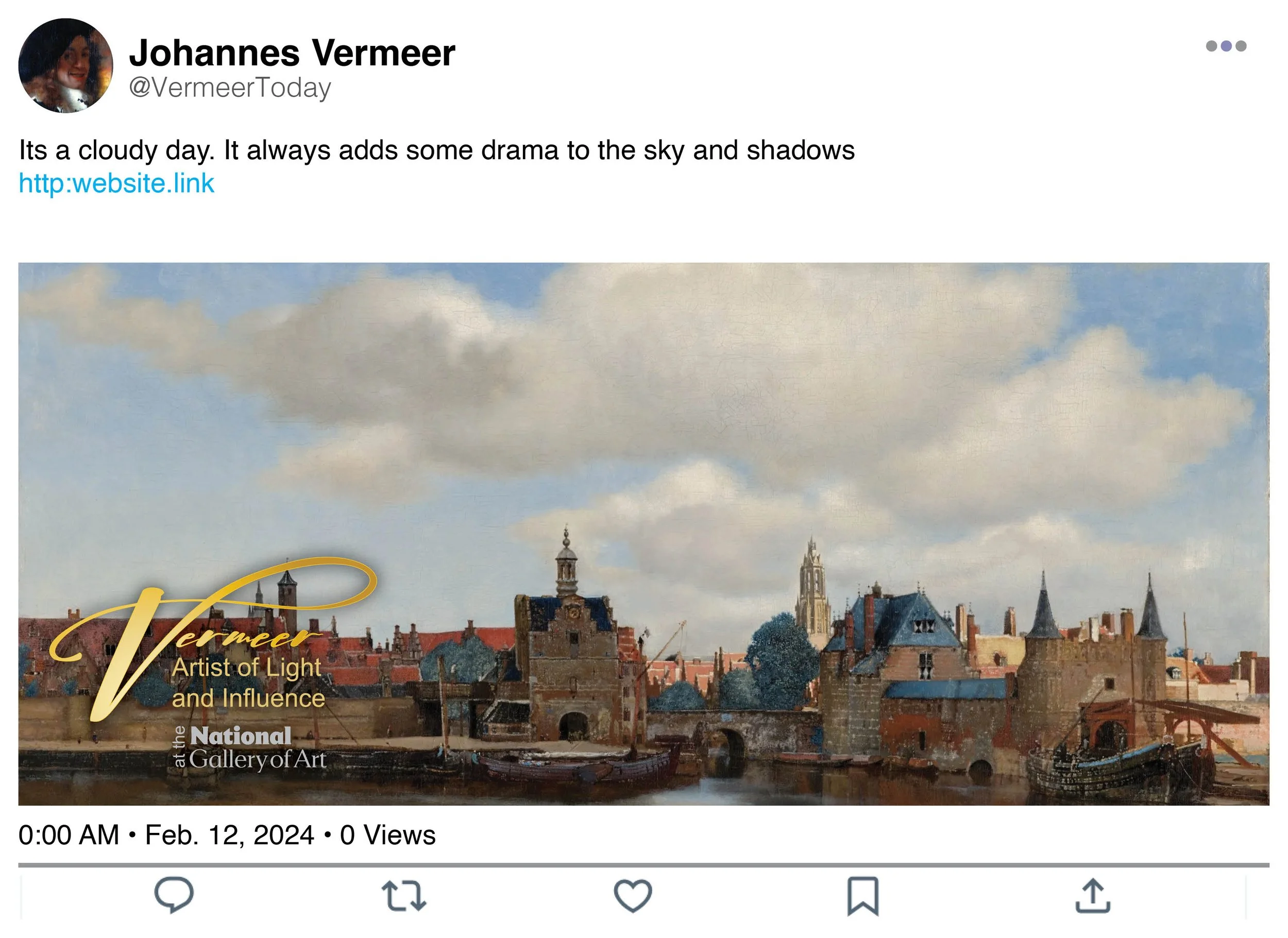
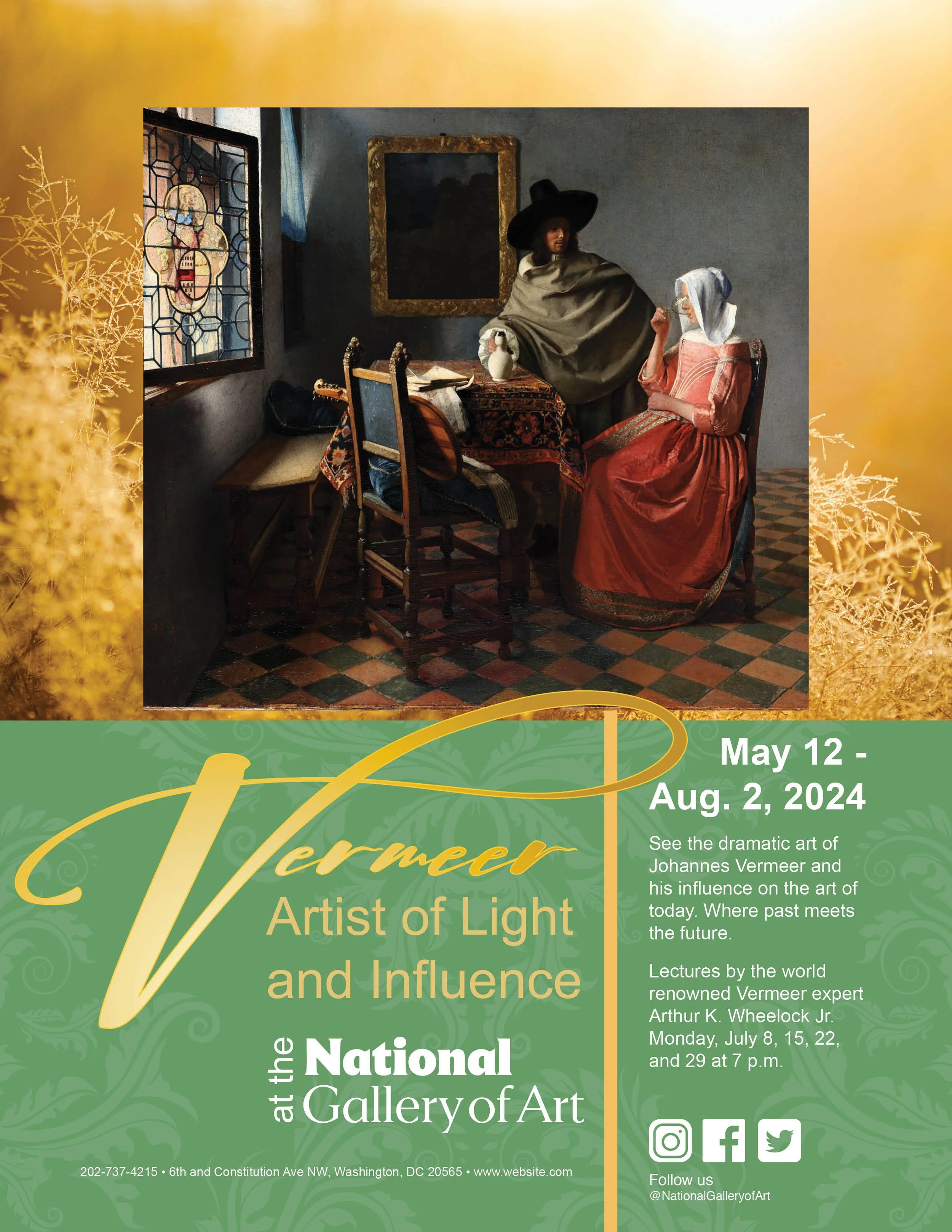
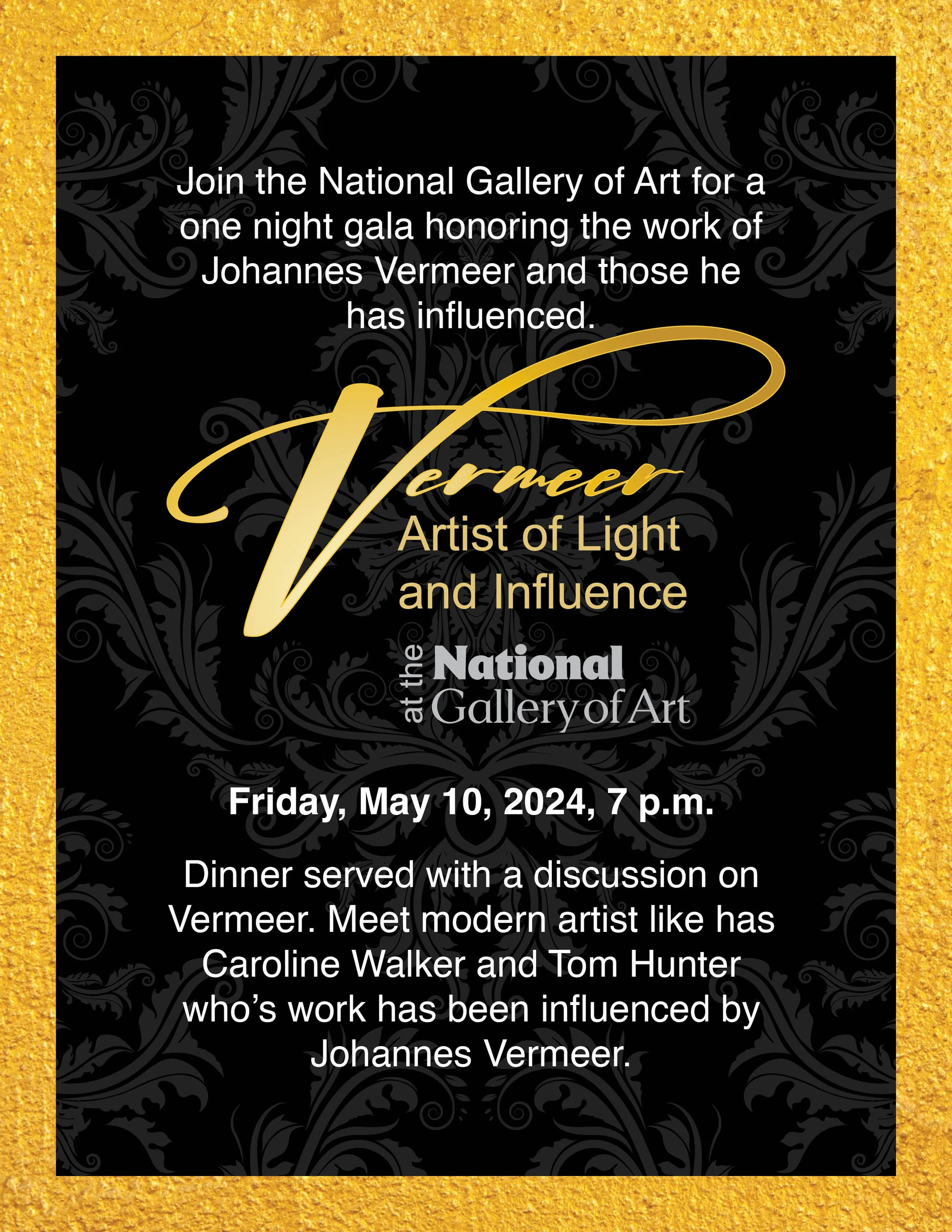
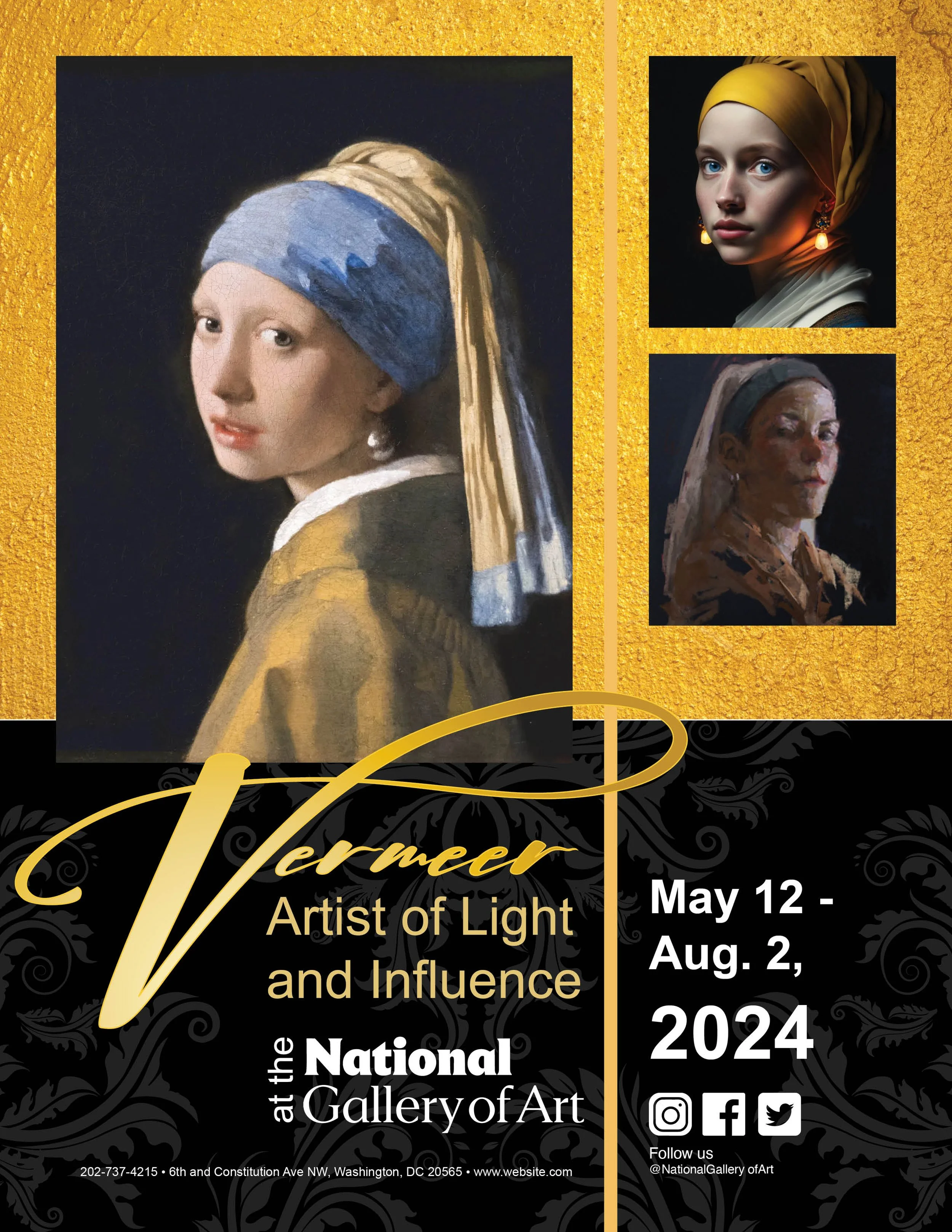
Now lets talk about the design, the visual of the campaign. If the goal is to show Vermeer still influences artists today, the design needs to reflect that. The hero images is unmistakably Vermeer. But the surrounding is contemporary, influenced but the light and storytelling.
The design becomes more than promotion, but part of the narrative.
The design reinforces the message.
In this case, the message isn't just "Come see Vermeer." It's "Vermeer's influence didn't end; it continues to inspire artists today."
When the design communicates that before someone reads a single word, it's doing more than looking good. It's telling the story.